 The Origins
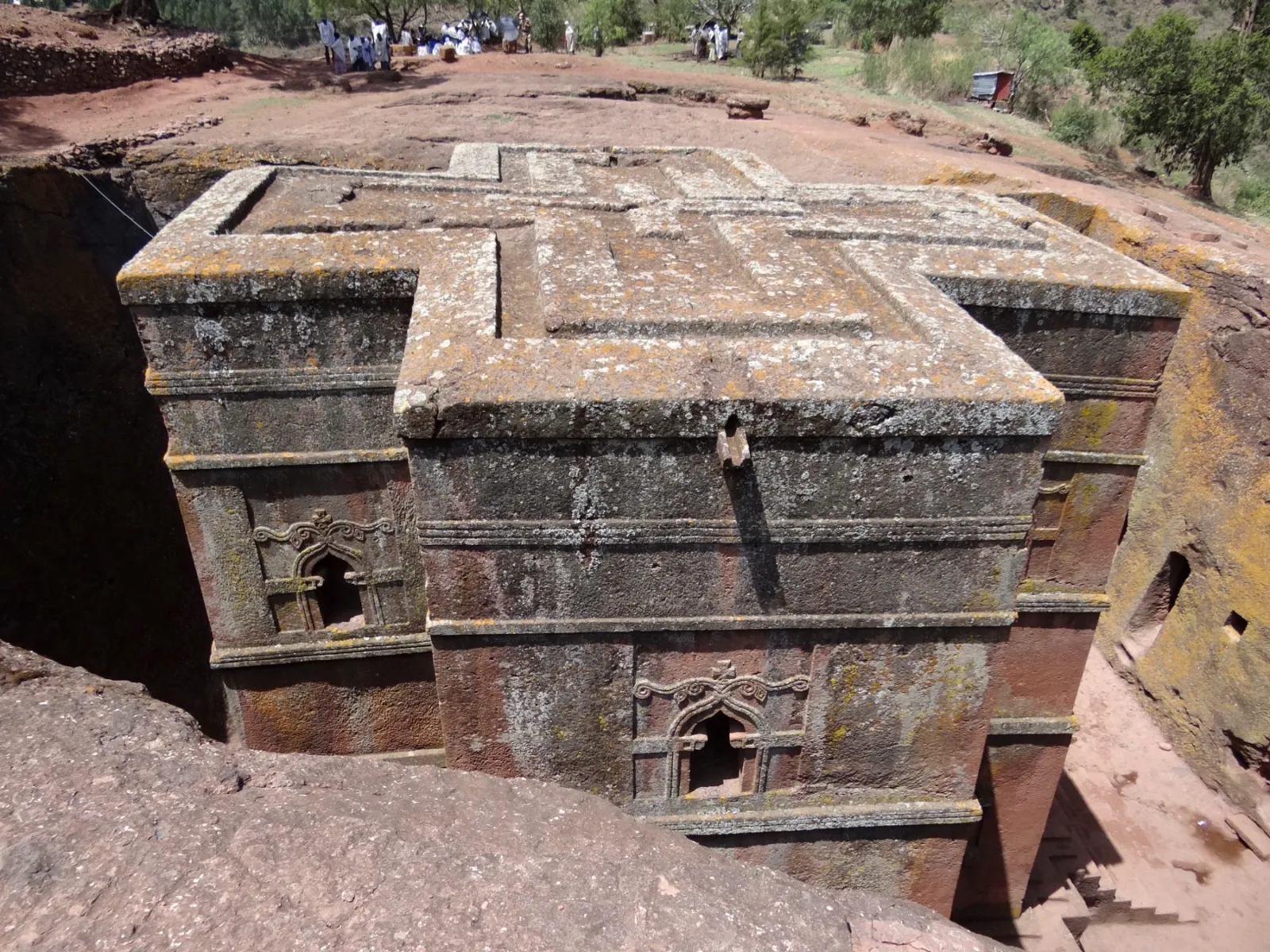
Bete Giyorgis
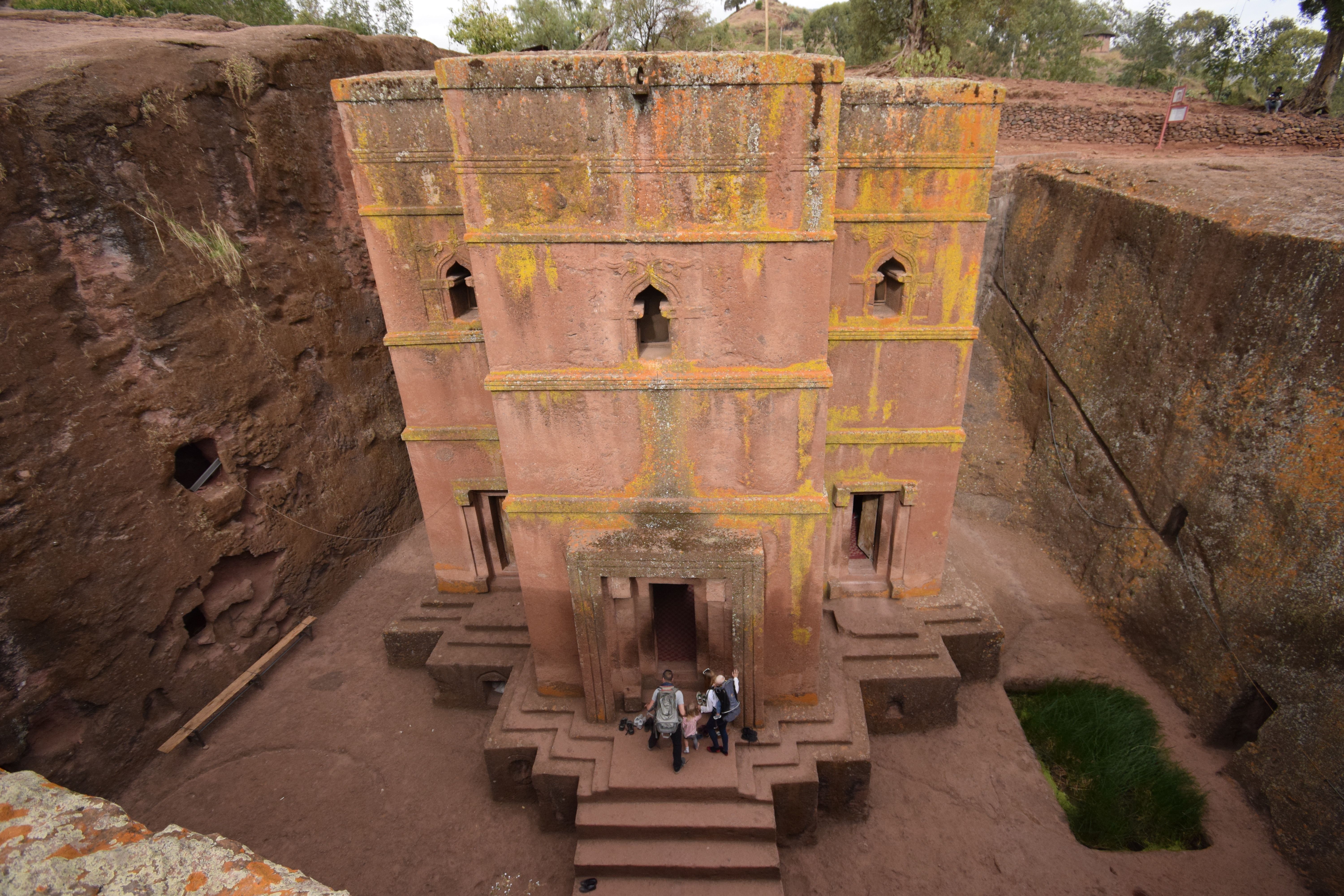
The famous cross-shaped Church of Saint George is one of Lalibela's most recognisable landmarks.
Discover Lalibela
Lalibela is one of Ethiopia's most extraordinary cultural landscapes, known around the world for its medieval rock-hewn churches.
The churches were carved directly from living rock and connected through a remarkable network of courtyards, trenches, tunnels and passageways.
Lalibela is not simply an archaeological site. It remains an important centre of Ethiopian Orthodox Christianity, where worship, pilgrimage and centuries-old traditions continue today.
Visiting Lalibela therefore means experiencing both an exceptional historical site and a living spiritual landscape.
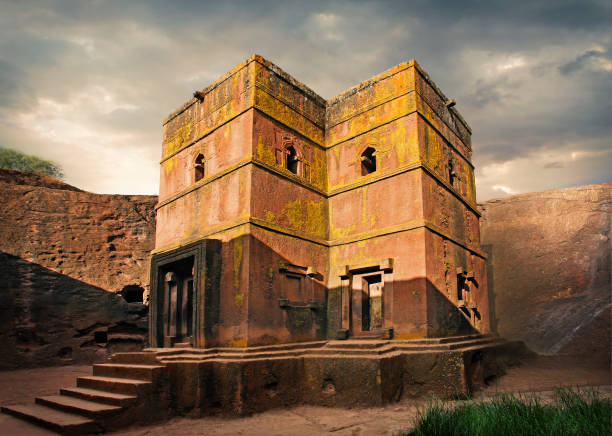
The famous cross-shaped Church of Saint George is one of Lalibela's most recognisable landmarks.
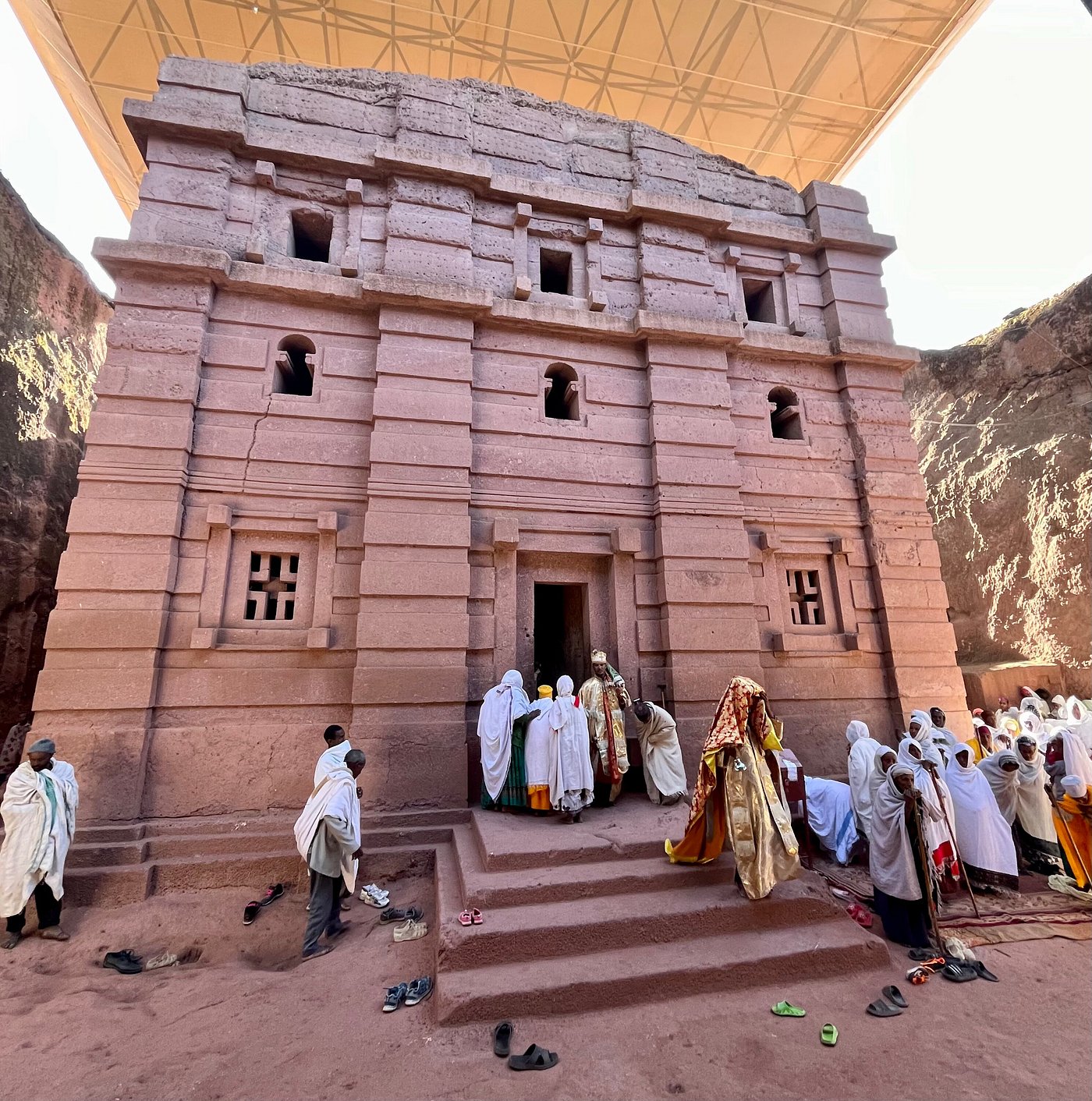
Walk through rock-cut courtyards, tunnels and passages connecting Lalibela's sacred churches.
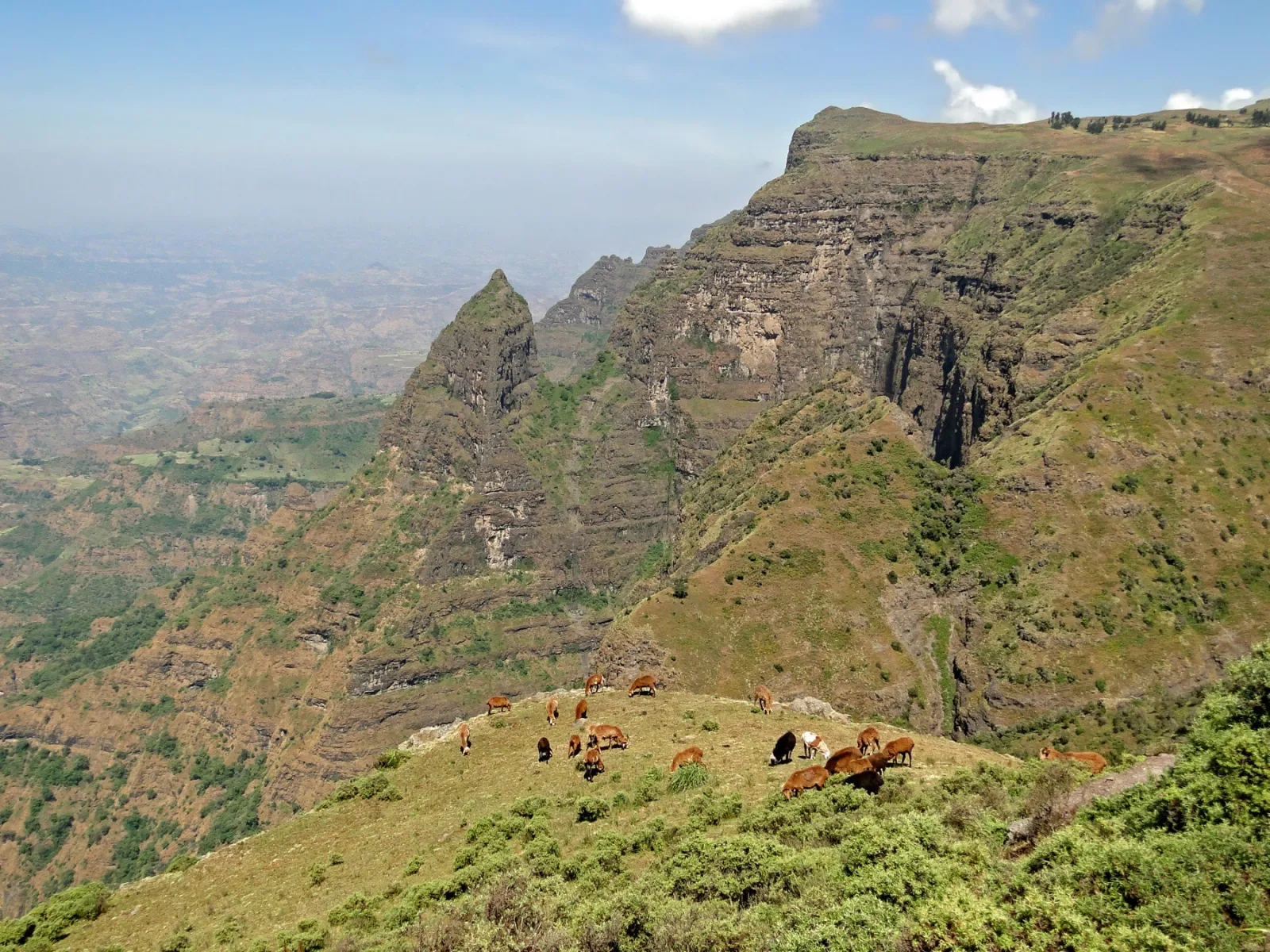
Extend your visit beyond town to mountain landscapes, villages and historic churches.
October through March is generally a strong period for exploring Ethiopia's northern highlands.
Religious festivals can completely transform the atmosphere of Lalibela, especially around Ethiopian Christmas.
Ethiopian Christmas, celebrated on 7 January, brings large numbers of pilgrims to Lalibela.
It is one of the most atmospheric periods to experience the city's religious traditions.
Plan well ahead when travelling during major festival dates.
Lalibela lies in the northern Ethiopian highlands in the Amhara Region, north of Addis Ababa.
Domestic flights are the fastest and most practical way for many visitors to reach Lalibela from Addis Ababa.
Lalibela is roughly 680 km from Addis Ababa by road. An overland journey should normally be incorporated into a wider northern Ethiopia itinerary.
Lalibela can be combined naturally with Gondar, the Simien Mountains, Bahir Dar and Axum.
Open in Google Maps ↗Choose your stay around the experiences you want to include. Contact us to discuss dates, pace and accommodation preferences.
Lalibela rewards slower, respectful travel.
Comfortable footwear, modest clothing and sensitivity around active religious services will make the experience more enjoyable.
Two full days gives enough time for the principal churches. A third day allows excursions into the surrounding highlands.
A knowledgeable local guide adds important historical, cultural and religious context and helps visitors navigate the church complex respectfully.
Wear modest clothing appropriate for active religious sites and comfortable footwear for uneven walking surfaces.
Photography rules can vary depending on the church, service and situation. Always ask before photographing worshippers or clergy.
Explore the courtyards, trenches and tunnels connecting the churches.
Experience Lalibela as an active spiritual centre rather than simply a historic site.
Slow down after exploring the churches and enjoy Ethiopia's traditional coffee culture.
Discover villages, mountain churches and panoramic viewpoints outside Lalibela.
Your Ethiopia journey
We create private journeys through Ethiopia shaped around your time, interests and travel style.
Plan your journey →